
What Is Furniture Refinishing and How Does It Work

📖 Table of Contents
- What Is Furniture Refinishing and Why Does It Matter?
- The Tools and Materials You’ll Need
- The Step-by-Step Process of Refinishing
- Choosing the Right Finish for Your Project
- Troubleshooting Common Problems During Refinishing
- The Benefits of Refinishing Furniture at Home
- Getting Started with Your First Refinishing Project
- Make It Your Way
- Frequently Asked Questions
I remember the first time I tried refinishing a piece of old furniture — it was a wobbly, chipped oak coffee table that had sat in my grandmother’s house for decades. I didn’t know what I was doing, but I had a vision: a fresh, modern finish that would make the table feel like new again. What I discovered was that furniture refinishing is not only a way to restore old pieces, but also a surprisingly effective way to transform them into something entirely different. It’s a process that involves stripping, sanding, and applying new finishes — and it can be done with minimal tools and a lot of patience.
The beauty of furniture refinishing is that it allows you to breathe new life into things that might otherwise end up in a landfill. I’ve done it on a dining table, a chair, and even a vintage armoire, and each time I’ve been amazed by the results. It’s not just about making furniture look better — it’s about giving it a second chance, and that feels deeply satisfying. Whether you’re looking to save money or simply want to personalize your space, refinishing is a powerful tool that’s within reach for most DIYers.
I’ve found that the process of refinishing is as much about the journey as it is about the end result. There’s something about standing in your garage, sanding away the old finish, and watching a piece of furniture slowly emerge in its new form that’s incredibly rewarding. It’s a slow, deliberate process, and I’ve learned that rushing through any step can lead to frustration and poor results. But when done right, refinishing can be a deeply satisfying way to express creativity and bring new life to old furniture.
Why You'll Love This Furniture Refinishing Process
- Transform old furniture with minimal cost and effort
- Personalize your space with custom finishes and colors
- Extend the life of your furniture and reduce waste
- Achieve professional-looking results with DIY techniques
What Is Furniture Refinishing and Why Does It Matter?
As of November 2026, at its core, furniture refinishing is all about changing the appearance of a piece without replacing it entirely. This can mean stripping away old paint or varnish and applying a new finish, or even staining the wood to achieve a completely different look. I’ve done this on everything from chairs to bookshelves, and each time I was amazed by how much a simple change could impact the overall feel of a room.
Refinishing is particularly valuable for antique or vintage furniture, as it allows you to preserve the original structure while updating the look to suit modern decor. I once refinished a 1950s dining set that had been in my family for generations, and the result was a piece that looked brand new but still carried the character of its past. The process involves carefully removing the old finish, sanding the surface, and then applying a new one — all of which can be done with just a few basic tools.
What makes refinishing so appealing is that it’s a sustainable alternative to buying new furniture. Instead of contributing to the waste generated by discarded furniture, you can give old pieces a new life. It’s also a cost-effective option — a $40 investment in materials can completely transform a piece of furniture that might otherwise cost hundreds of dollars to replace.
Invest in a good sanding block and a high-quality paint stripper — these will make the job easier and more efficient.
Part of our Cabinet refinishing guide.
The Tools and Materials You’ll Need
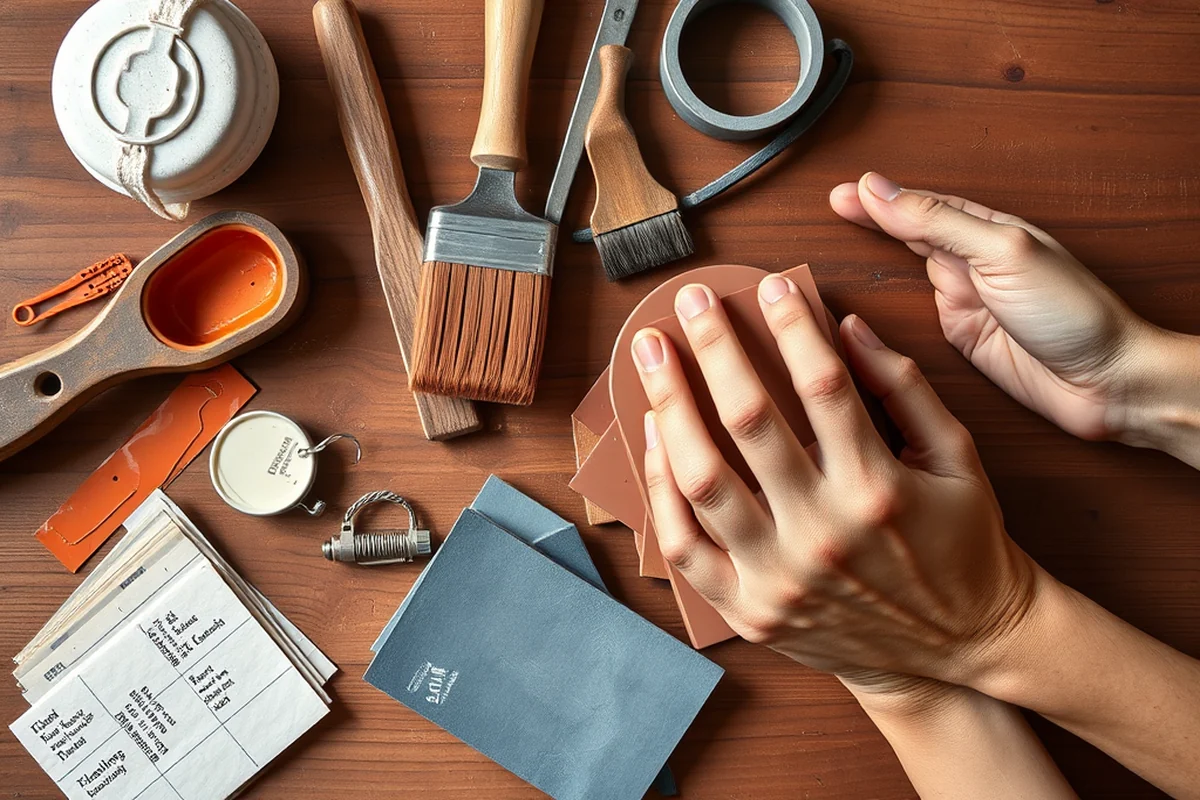
The tools and materials you’ll need depend on the type of furniture you’re working on and the method you choose. In general, a basic kit includes sandpaper, a paint stripper (if you’re removing old paint), a brush or sponge for applying the stripper, and brushes for painting or staining. I’ve found that using a paint stripper can save a lot of time compared to sanding alone, especially when dealing with multiple coats of old paint.
It’s also important to have protective gear, like gloves and a mask, to avoid inhaling fumes from the paint stripper. I always work in a well-ventilated area and take breaks to keep the air quality manageable. Once the old finish is removed, you’ll need to sand the surface thoroughly to create a smooth base for the new finish.
With the actual finish, you can choose between paint, stain, or a combination of both. I’ve used both water-based and oil-based paints, and each has its own pros and cons. Water-based options are easier to clean up, while oil-based paints tend to be more durable and have a richer finish.
The right tools make all the difference — don’t cut corners on quality.
Related: Quick cabinet refinishing tips
The Step-by-Step Process of Refinishing
The process of refinishing furniture can be broken down into a few key steps. First, you need to remove the old finish, which can be done through sanding or using a paint stripper. I’ve found that using a paint stripper is faster and less physically demanding, but it requires careful handling to avoid damaging the wood underneath.
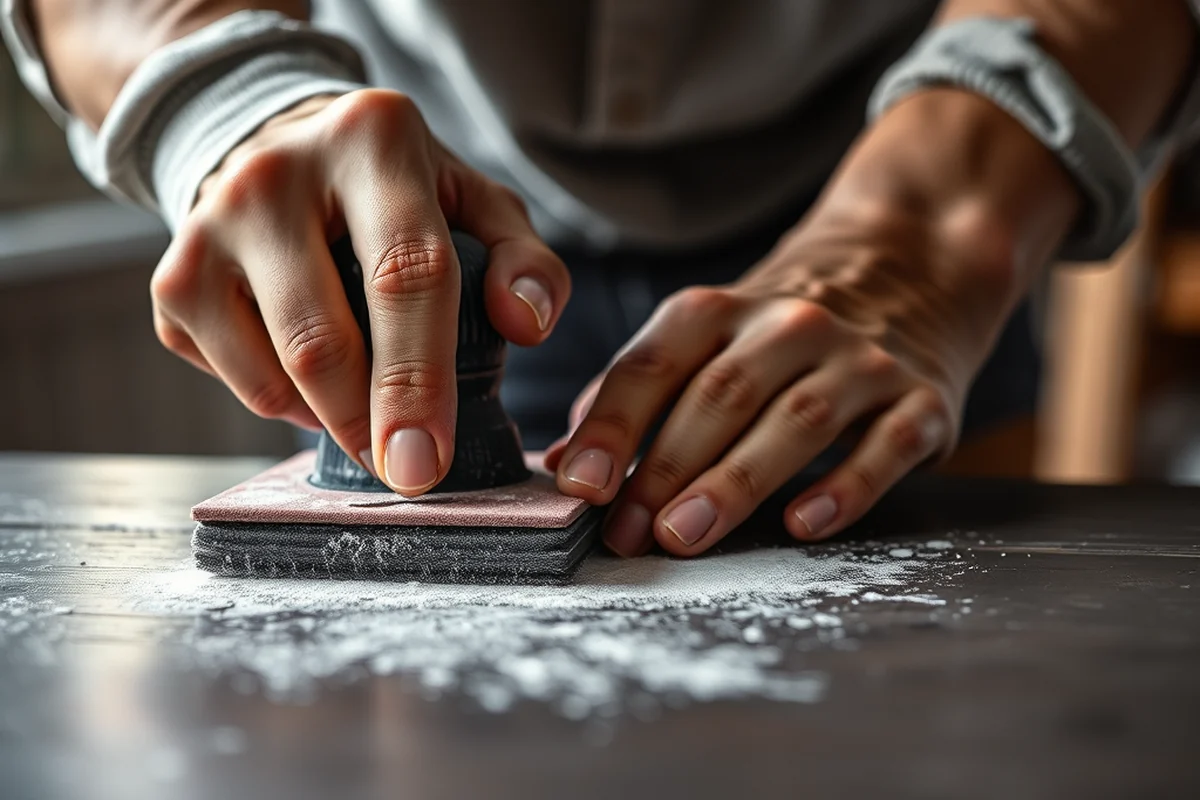
Once the old finish is gone, the next step is to sand the surface thoroughly. This ensures that the new finish will adhere properly and that the surface is smooth and even. I always start with a coarse grit sandpaper and work my way up to a finer grit for a polished finish. After sanding, it’s a good idea to wipe down the surface with a damp cloth to remove any dust.
The final step is applying the new finish, whether that’s paint, stain, or a combination of both. I’ve found that applying multiple thin coats of paint or stain gives the best results, as it allows for even coverage and a more professional-looking finish. Be sure to let each coat dry completely before applying the next one.
Never apply a second coat of paint or stain until the first one is fully dry — this will prevent drips and uneven results.
“I remember the first time I tried refinishing a piece of old furniture — it was a wobbly, chipped oak coffee table that had sat…”— Satincabinet editors
Related: Easy cabinet refinishing edmonton
Choosing the Right Finish for Your Project
The type of finish you choose will depend on the look you want and how much wear and tear the furniture will experience. For a glossy, modern look, I’ve used lacquer or polyurethane finishes. These are durable and easy to clean, making them ideal for high-traffic areas like dining tables or chairs.
If you prefer a more natural look, wood stains are a great option. They allow the grain of the wood to show through and can be used to achieve a range of colors, from light to dark. I’ve used both water-based and oil-based stains, and each has its own advantages. Water-based stains are easier to clean up, while oil-based stains tend to be more durable and have a richer color.
Another option is chalk paint, which gives a matte, distressed look that’s popular for vintage or rustic styles. I’ve used it on a set of old chairs and achieved a beautifully aged look that felt like it had been in a farmhouse for decades. Chalk paint is also easy to apply and doesn’t require a lot of sanding before use.
Related: Modern cabinet refinishing for beginners
Troubleshooting Common Problems During Refinishing
One of the most common problems I’ve encountered during refinishing is uneven paint application. This can happen if the paint is applied too thickly or if the surface isn’t properly prepared. I’ve found that using a paintbrush with a fine bristle and applying multiple thin coats of paint helps achieve a more even finish.
Poor adhesion of the new finish is another issue that can occur if the surface isn’t properly cleaned or sanded. I always make sure to wipe down the furniture after sanding and before applying the new finish to remove any dust or debris. This helps the paint or stain stick better and last longer.
Another challenge is dealing with the fumes from paint strippers and solvents. I’ve learned that working in a well-ventilated area and wearing a mask is essential to avoid inhaling harmful fumes. It’s also a good idea to take breaks and step outside if the smell becomes overwhelming.
Related: Quick cabinet refinishing kit
The Benefits of Refinishing Furniture at Home
One of the biggest benefits of refinishing furniture at home is the ability to customize your space exactly how you want it. Whether you’re going for a modern, rustic, or vintage look, you can choose the colors, finishes, and styles that fit your personality and decor. I’ve done this on multiple pieces of furniture and have been thrilled with the results each time.
Another benefit is the cost savings. Instead of buying new furniture, you can give old pieces a fresh start for a fraction of the price. I’ve saved hundreds of dollars by refinishing pieces that would have otherwise been replaced. It’s also a great way to reduce waste and contribute to a more sustainable lifestyle.
Refinishing at home also gives you the satisfaction of seeing your project come to life. There’s something deeply rewarding about standing back and looking at a piece of furniture that you’ve transformed with your own hands. It’s a great way to express creativity and take pride in your work.
Refinishing is more than just a DIY project — it’s a way to express your style and make your space your own.
Related: Easy cabinet refinishing for beginners
Getting Started with Your First Refinishing Project
If you’re new to refinishing, the first step is to choose a project that’s not too complicated. A small piece of furniture, like a chair or a side table, is a good place to start. I recommend selecting a piece that you’re willing to put some time and effort into, as refinishing can be a slow process.
Once you’ve selected your piece, the next step is to gather all the necessary tools and materials. This includes sandpaper, paint stripper, brushes, and the new finish you want to apply. I always make sure to read the instructions on the paint stripper and stain carefully, as different products can have different application times and drying periods.
Finally, take the time to prepare your workspace. Work in a well-ventilated area and cover any surrounding surfaces with drop cloths or paper towels to protect them from splatters. I’ve found that taking the time to set up properly makes the entire process much smoother and less stressful.
💰 Budget Build
Use affordable materials like chalk paint and basic brushes to refresh your furniture without breaking the bank.
⏰ Weekend Version
Complete a simple refinishing project in just one weekend — perfect for those with limited time.
✨ Upgraded Finish
Invest in a high-quality finish like lacquer or polyurethane for a more professional and durable result.
🛋️ Small-Space Adaptation
Refinish small furniture like shelves or side tables to make the most of your limited space.
🏠 Rental-Safe Option
Use low-odor, water-based finishes that are safe for rental properties and easy to clean up.
| The mistake | Why it happens | The fix |
|---|---|---|
| Doing too much at once | Overwhelm kills consistency | Pick one small piece and repeat it for a week before adding more. |
| Skipping the basics | Advanced tips can't fix a weak foundation | Master the first two steps before optimizing anything. |
What Is Furniture Refinishing
Common Questions
Can I refinish furniture without stripping the old finish?
How long does it take to refinish a piece of furniture?
Is refinishing furniture difficult for beginners?
What type of finish is best for high-traffic areas?
Cite this guide
Satincabinet (2026). What Is Furniture Refinishing and How Does It Work. https://satincabinet.com/what-is-furniture-refinishing/
Feel free to cite or share this guide.
Cabinet Paint Quantity Calculator
Estimates cabinet paint, primer and project time from door counts.
Open it free →