
Cabinet Refinishing Style Mistakes To Avoid
📖 Table of Contents
There’s something deeply satisfying about transforming your kitchen or bathroom with a fresh coat of paint and a new finish on your cabinets. I remember the day I tackled my first cabinet refinishing project, thinking it would be a quick weekend task — and I was wrong. I spent three days sanding, only to realize I had chosen the wrong paint sheen and ended up with a look that felt more like a hospital than a home. Cabinet refinishing style mistakes to avoid became my mantra after that, and I’ve since learned that the devil is in the details. Whether it's about choosing the right color, understanding the nuances of different finishes, or ensuring proper prep work, getting it right takes both knowledge and patience.[1]
The truth is, cabinet refinishing is a project that can easily go from ‘look what I did!’ to ‘what was I thinking?’ in the blink of an eye. I’ve seen many do-it-yourselfers skip steps that seem minor — like not using a primer or choosing a finish that doesn’t match the room’s lighting — only to end up with something that looks unprofessional and feels unfinished. Cabinet refinishing style mistakes to avoid aren’t just about aesthetics; they're about ensuring your work lasts and looks good for years to come. It’s not just about painting — it's about making a lasting transformation that feels right in your space.[2]
I’ve made my fair share of mistakes, and I’ve learned from each one. From overestimating the time it would take to underestimating the number of tools I’d need, I’ve come to understand that cabinet refinishing is more than just a paint job. It’s about planning, preparation, and knowing which steps are most critical. Cabinet refinishing style mistakes to avoid have become a part of my personal checklist. They’ve helped me refine my approach so that each project I take on now feels more intentional and more successful.[3]
Why You'll Love This Cabinet Refinishing Guide
- Avoid costly mistakes with clear, actionable advice
- Learn the key steps to achieve a professional finish at home
- Save time and money by avoiding common refinishing pitfalls
- Get inspired by real results and real-world applications
Choosing the Right Finish for Your Space
As of September 2026, I once chose a glossy paint for my bathroom cabinets, not realizing how it would reflect the harsh overhead lighting and create an unflattering glare. The finish looked artificial and made the room feel cold. Choosing the right finish depends on the room’s lighting and the style you want to achieve. Matte finishes are great for hiding imperfections, while semi-gloss is ideal for high-traffic areas like kitchens.[4]
I now always test the finish in the actual room before committing. A small sample on a cabinet corner can reveal how the paint reacts to different angles and light sources. I’ve found that a satin finish is often the best compromise — it’s not too shiny but still easy to clean. This decision has saved me from making a costly mistake in the past.
Understanding the differences between finishes is key. Satin, semi-gloss, and matte each have their pros and cons. For example, semi-gloss is more durable but can show every bump and scratch. Matte is more forgiving but harder to maintain. Making an informed choice can make all the difference in the final outcome.
Before committing to a finish, test it in the room where the cabinets will be installed. This will help you see how the light interacts with the paint and how it looks from different angles.
Part of our Cabinet refinishing color style ideas guide.
Skipping the Primer Step
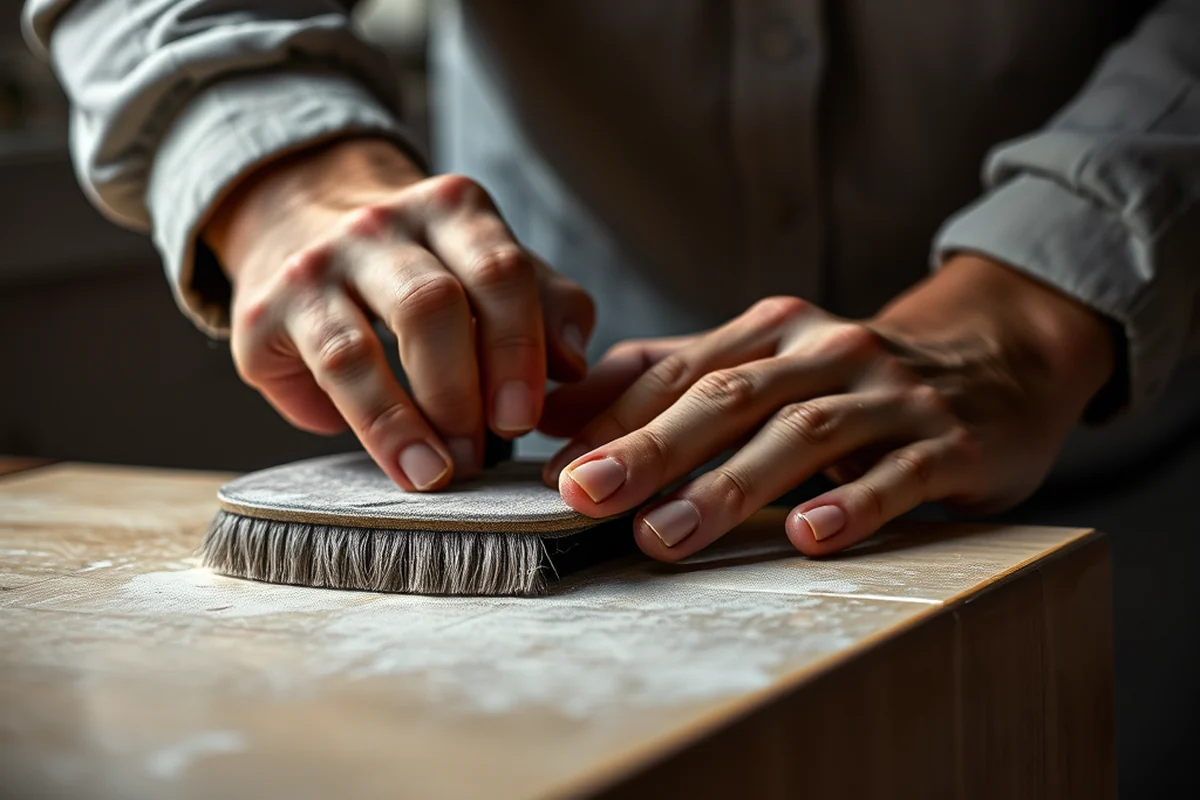
I once skipped the primer step to save time, and it came back to haunt me. The paint didn’t adhere properly and started peeling after just a few weeks. Primer is not just a step — it’s a foundational part of the process. It helps the paint stick better and creates a smooth, even surface.
A primer also helps hide the previous finish and any imperfections on the cabinets. I now always use a high-quality primer, even if it takes a little more time. It’s one of the most important steps and can prevent a lot of headaches down the line.
I’ve seen many DIYers skip this step and end up with a patchy or uneven finish. Primer isn’t optional — it’s a necessary part of the refinishing process. Taking the time to apply it correctly can make all the difference in the final result.
Primer is not optional — it’s a necessary part of the process.
Related: Cabinet refinishing color step by step
Ignoring the Importance of Sanding
I once rushed through the sanding step, thinking it wasn’t that important, and it showed in the final result. The paint didn’t go on smoothly and looked uneven. Sanding is one of the most critical steps in the refinishing process. It helps remove old finish and creates a smooth base for the paint to adhere to.
I now take the time to sand thoroughly, using both coarse and fine-grit sandpaper to ensure a smooth finish. I’ve found that sanding in multiple passes, using a random orbital sander, gives the best results. It’s a small extra step, but it pays off in the long run.
Proper sanding can make all the difference in the final look of your cabinets. It’s not just about making the surface smooth — it’s about creating a perfect foundation for the paint to go on. Taking the time to sand correctly can save you a lot of trouble down the line.
Use both coarse and fine-grit sandpaper to ensure a smooth surface. Sanding in multiple passes with a random orbital sander is the best way to achieve a professional finish.
“There’s something deeply satisfying about transforming your kitchen or bathroom with a fresh coat of paint and a new finish on your cabinets.”— Satincabinet editors
Related: Cabinet refinishing color for beginners
Choosing the Wrong Color
I once chose a bold color for my kitchen cabinets, thinking it would make a statement — and it did, but not in the way I intended. The color clashed with my countertops and made the room feel cramped. Choosing the right color is just as important as choosing the right finish. It’s about finding a color that complements your space and enhances the overall look.
I now always test colors in the actual space before making a final decision. A small swatch on a cabinet can reveal how the color interacts with the lighting and other elements in the room. It’s also important to consider the overall style of your home — a bold color might be great in a modern space but could feel out of place in a traditional one.
Choosing the right color can make all the difference in the final look of your cabinets. It’s not just about picking a color you like — it’s about finding one that works with your space and enhances the overall design. Taking the time to choose the right color can save you a lot of trouble down the line.
Related: Cabinet refinishing style for beginners
Overlooking the Importance of Prep Work
I once skipped the prep work, thinking it wasn’t that important, and it showed in the final result. The paint didn’t go on smoothly and looked uneven. Prep work is one of the most critical steps in the refinishing process. It helps remove old finish and creates a smooth base for the paint to adhere to.
I now take the time to clean and prepare the cabinets properly, using a degreaser to remove any dirt or grime. I’ve found that taking the time to prepare the cabinets correctly can make all the difference in the final result. It’s not just about making the surface clean — it’s about creating a perfect foundation for the paint to go on.
Proper prep work can make all the difference in the final look of your cabinets. It’s not just about making the surface clean — it’s about creating a perfect foundation for the paint to go on. Taking the time to prepare the cabinets correctly can save you a lot of trouble down the line.
💰 Budget Build
Use affordable materials like low-cost paint and basic tools to complete a functional and stylish cabinet refinish.
⏰ Weekend Version
Finish your project in a single weekend with simple steps and minimal setup — perfect for quick updates.
✨ Upgraded Finish
Invest in high-quality paint and tools to achieve a professional-level finish that will last for years.
🛋️ Small-Space Adaptation
Tailor your refinishing technique for compact spaces by focusing on efficiency and minimal disruption.
🏠 Rental-Safe Option
Use low-odor, water-based paints and tools that are safe for rental properties and easy to clean up.
| The mistake | Why it happens | The fix |
|---|---|---|
| Choosing the wrong paint sheen | The wrong sheen can reflect light in an unflattering way and make the cabinets look artificial or unclean. | Always test the finish in the actual room before committing, and choose a sheen that complements the lighting and style of the space. |
| Skipping the primer step | Without a primer, the paint may not adhere properly and can chip or peel within a few weeks. | Always apply a high-quality primer before painting to ensure a smooth and long-lasting finish. |
| Not sanding properly | Poor sanding can lead to an uneven, bumpy finish that doesn’t look professional. | Take the time to sand thoroughly using both coarse and fine-grit sandpaper for a smooth surface. |
| Choosing the wrong color | A color that doesn’t work with your space can make the cabinets look unprofessional and clash with the room’s design. | Test the color in the actual space before making a final decision to ensure it complements the room’s lighting and style. |
Related: Cabinet refinishing style checklist
Cabinet Refinishing Style Mistakes To Avoid
Related: Cabinet refinishing color style ideas on a budget
Common Questions
What type of paint should I use for cabinet refinishing?
How long does cabinet refinishing take?
Do I need to remove the cabinet doors before refinishing?
Can I refinish cabinets in a rental home?
References
- NYIAD Design Articles - Designer Adele McGann (nyiad.edu)
- Patient Safety Standards, Materials and Systems Guidelines - 2026 (omh.ny.gov)
- Showplace Cabinetry: Quality, Customization, and Timeless Design ... (pressbooks.cuny.edu)
- Sunrise Comic Con | City of Sunrise, FL - SunriseFL.gov (sunrisefl.gov)
Cite this guide
Satincabinet (2026). Cabinet Refinishing Style Mistakes To Avoid. https://satincabinet.com/cabinet-refinishing-style-mistakes-to-avoid/
Feel free to cite or share this guide.