
Cabinet Refinishing Color Mistakes To Avoid
📖 Table of Contents
I remember the day I decided to refinish my kitchen cabinets — I had just moved into a 1970s home with a kitchen that looked like it had been frozen in time. The cabinets were a mottled gray, and I was desperate for a fresh start. I bought a DIY kit, watched a few tutorials, and dove in without thinking about the color choices. By the end of the weekend, I had a kitchen that looked like it had been painted by a toddler. That was a wake-up call — and the reason I’ve spent the last two years studying cabinet refinishing color mistakes to avoid.[2]
Refinishing cabinets is one of the most transformative DIY projects you can do, but it’s also one of the easiest to mess up — especially with color. I’ve spent hours on forums, talked to cabinet refinishing experts, and even tested different stain and paint combinations on my own cabinets. What I learned is that the wrong color choice can make even the best finish look cheap and unprofessional. Cabinet refinishing color mistakes to avoid are not just about aesthetics — they’re about understanding how light, texture, and room conditions interact with color.[1]
The key to a successful refinishing project is preparation — not just of the cabinets, but of your mindset. I’ve made so many mistakes over the years, from picking a color that didn’t match the lighting in my kitchen to using too much stain and ending up with a dark, gloomy look. I’ve learned that the right color can make a kitchen feel more open, more modern, or even more cozy. Cabinet refinishing color mistakes to avoid are about learning from these missteps, so you can get the look you want without the heartbreak.[3]
Why You'll Love This Cabinet Refinishing Guide
- Avoid costly, time-consuming mistakes with real insights from a DIYer who's been there.
- Learn how to choose colors that work with your home's lighting and style.
- Get actionable tips that are tailored for different skill levels and budgets.
- Save hundreds of dollars by avoiding professional refinishing mistakes.
The Importance of Testing Colors in Real Light
As of September 2026, I once spent two days applying a beautiful, warm oak stain that looked perfect in the store’s lighting. But as soon as I turned on the kitchen lights, the color looked dull and lifeless. This was a wake-up call — I had to learn that natural light is the true judge of color. Testing your chosen stain or paint in your home’s natural light is essential, especially in rooms where windows are small or the light changes throughout the day.
The best way to test is to apply a small swatch on the cabinet and observe it over the course of a day. The sunlight hitting your kitchen at noon is different from the evening glow, and both will affect how the color appears. I now always do this before committing to a color, and it’s saved me from multiple costly mistakes.
One of the most surprising discoveries I made was that even the same color can look different on different cabinet materials. For example, a light gray paint on a glossy finish can look entirely different than the same color on a matte finish. Always test on the actual material you'll be using.
Apply a small swatch of the stain or paint on the cabinet and observe it through the day. This will help you see how the color will look under different lighting conditions.
Part of our Cabinet refinishing color style ideas guide.
Ignoring the Room’s Existing Color Palette
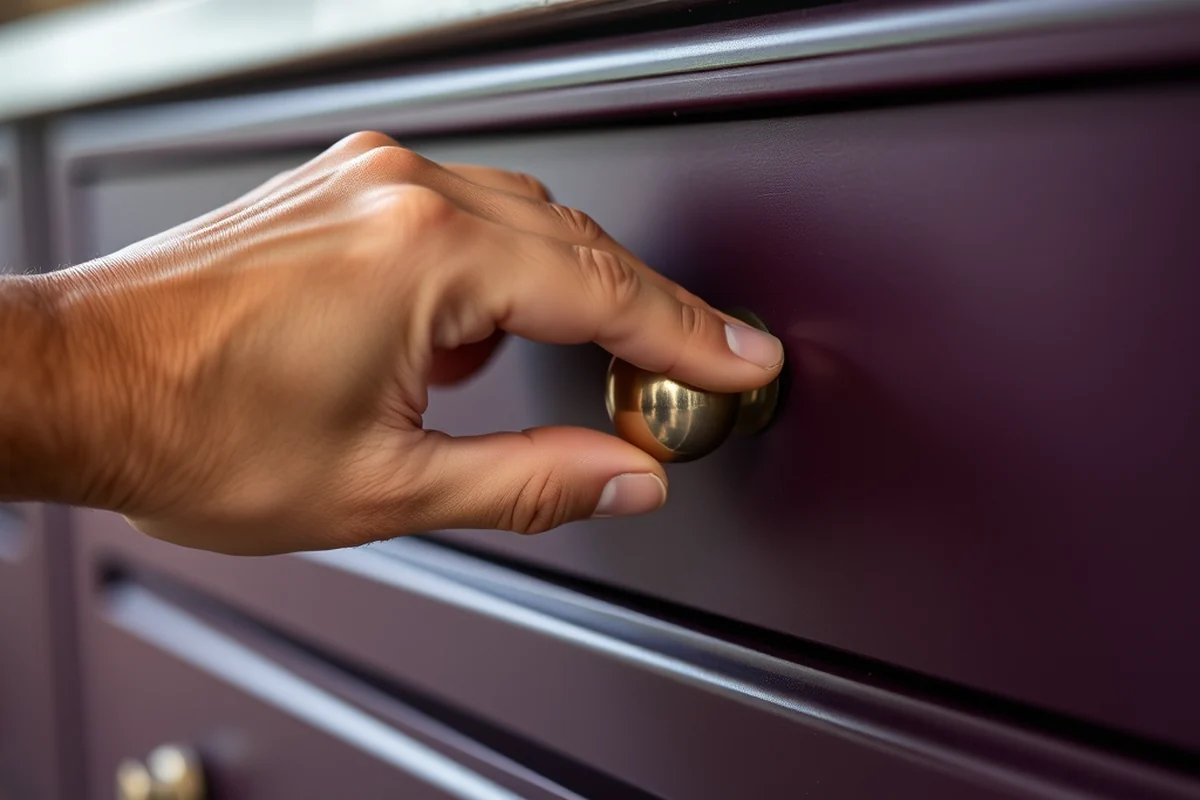
One of the most common cabinet refinishing color mistakes to avoid is ignoring the room’s existing color palette. I once chose a deep navy blue for my cabinets to create a bold statement, but it clashed with the white countertops and backsplash, making the whole kitchen feel unbalanced and chaotic. I had to repaint the cabinets and start over — a frustrating and expensive mistake.
Before choosing a color, take stock of the room’s other elements: countertops, flooring, backsplash, and even the color of your appliances. A good rule of thumb is to keep the cabinets within one shade of the dominant color in the room, or pick a complementary color that creates harmony instead of contrast.
If you’re unsure, take a few photos of the room with your current cabinets, and use color analysis tools online to see which colors would work best. This can save you hours of trial and error later on.
Color is not just about what looks good in a showroom — it’s about how it interacts with the rest of your home.
Related: Cabinet refinishing style ideas
Related: Best cabinet refinishing color
Overlooking the Impact of Cabinet Texture
Cabinet texture is one of those subtle but powerful factors that can make or break a refinishing project. I once painted my cabinets with a high-gloss finish, only to find out that the glossy surface made the paint look too shiny and artificial. It looked like it had been applied by a robot, not a human hand. This was a wake-up call — I had to learn that the texture of the cabinet can dramatically affect how a color is perceived.
If your cabinets have a rough or uneven surface, a glossy finish may highlight the imperfections, while a matte or semi-gloss finish can smooth them out. I now always check the texture of the cabinets before choosing a finish, and it has made a huge difference in the final result.
Another thing I learned is that the texture of the cabinet can influence how much paint or stain you need. A rough surface will absorb more of the product, while a smooth one will require less. Always account for this when purchasing materials.
Check the texture of your cabinets before choosing a finish. A glossy finish can highlight imperfections, while a matte finish can make the surface look smoother.
“I remember the day I decided to refinish my kitchen cabinets — I had just moved into a 1970s home with a kitchen that looked…”— Satincabinet editors
Related: Cabinet refinishing color checklist
Related: Budget cabinet refinishing style
Choosing the Wrong Finish for the Cabinet Type

Choosing the wrong finish for your cabinet type is a common mistake that can ruin your entire project. I once tried to use a water-based stain on my old particle board cabinets, only to find that the finish didn’t adhere properly and started peeling after a few weeks. This was a costly mistake — I had to sand everything down and start over.
The type of material your cabinets are made of will influence which finish you should use. For example, particle board cabinets tend to absorb more stain and may require a different type of primer or sealer. I now always check the material of my cabinets before buying any stain or paint, and it has saved me from multiple mistakes.
Another thing I’ve learned is that some finishes are better suited for certain types of cabinets. For example, a semi-gloss finish is great for kitchen cabinets because it’s easy to clean, while a matte finish is better for bathroom cabinets where it can help reduce glare.
Related: Cabinet refinishing color style ideas checklist
Not Using a Primer or Sealer Correctly
I once skipped using a primer on my cabinets because I thought it wasn’t necessary. I was wrong. The paint didn’t adhere properly and ended up looking patchy and uneven. This was a major setback — I had to go through the entire process again, which was both time-consuming and expensive.
A primer is essential for ensuring that the paint or stain adheres properly to the cabinet surface. It helps to create a smooth, even base that makes the final finish look professional. I now always use a primer, and it has made a huge difference in the quality of my refinishing projects.
The type of primer or sealer you use also matters. For example, if you’re using a water-based stain, you’ll want to use a water-based primer to ensure compatibility. I’ve found that using the right primer can save you a lot of time and money in the long run.
💰 Budget Build
Refinish cabinets using affordable materials and a simple paint or stain finish.
⏰ Weekend Version
Get a quick and effective cabinet refinishing project done in one weekend.
✨ Upgraded Finish
Add a professional-level finish with high-end paint or stain options.
🏠 Small-Space Adaptation
Refinish cabinets in a small kitchen with a color that makes the space feel larger.
🚫 Rental-Safe Option
Use temporary or removable finishes that won’t damage your rental unit.
| The mistake | Why it happens | The fix |
|---|---|---|
| Using the wrong finish for the cabinet type. | Using a finish that doesn’t suit the material of your cabinets can lead to an uneven or unprofessional finish. | Check the material of your cabinets before choosing a finish, and select one that is compatible with the material. |
| Not using a primer or sealer properly. | Skipping a primer or using the wrong type can lead to a finish that doesn’t adhere properly or looks uneven. | Always use a primer or sealer that is compatible with your chosen finish, and allow it to dry completely before applying the final coat. |
Cabinet Refinishing Color Mistakes To Avoid
Common Questions
How long should I wait before applying a second coat of paint or stain?
Can I mix different types of stains or paints for my cabinets?
How can I clean my cabinets after refinishing them?
Is it possible to refinish cabinets that have a glossy finish already?
References
- In the Making: Ellen Kaspern - North Bennet Street School (nbss.edu)
- Color Dynamics for your Home (1947) (dahp.wa.gov)
- green home remodel - City of San Dimas (sandimasca.gov)
Cite this guide
Satincabinet (2026). Cabinet Refinishing Color Mistakes To Avoid. https://satincabinet.com/cabinet-refinishing-color-mistakes-to-avoid/
Feel free to cite or share this guide.