
Cabinet Refinishing Color Guide
📖 Table of Contents
I still remember the day I stood in my kitchen, staring at the chipped, outdated cabinets that had been part of my home for over a decade. They were functional, but they screamed for a fresh start. That’s when I realized that refinishing wasn’t just about covering up damage—it was about transforming the space into something that felt new, personal, and alive. A cabinet refinishing color guide became my lifeline, and after weeks of trial and error, I landed on a shade that turned my kitchen into a warm, inviting haven.[2]
The process was more involved than I expected, but it was also incredibly satisfying. Choosing the right color wasn’t just about aesthetics; it was about considering light exposure, cabinet material, and even the texture of the finish. The wrong color could make a room feel smaller, while the right one could make it feel like a whole new space. As someone who learned the hard way, I know how crucial a solid color guide is when you're exploring this kind of DIY project.[3]
Refinishing cabinets is one of those projects that can feel overwhelming at first. But with the right tools, a little patience, and a well-thought-out color plan, you can achieve results that look like they came from a professional contractor. The cabinet refinishing color guide is your map through this journey, and it’s the single most important step in ensuring your project turns out the way you imagine.
Why You'll Love This Cabinet Refinishing Color Guide
- Saves you money by avoiding the cost of new cabinets
- Gives you full control over the final look of your space
- Allows you to personalize your home with colors that match your style
- Can be completed in just a weekend with the right tools and plan
Understanding Cabinet Materials and Their Impact on Color
As of October 2026, if you're refinishing oak cabinets, you’ll notice that the grain absorbs paint in a way that makes it look more textured. On the other hand, MDF (medium-density fiberboard) cabinets take a smooth, even finish more easily, which makes them ideal for light, modern colors.
I tested this with my own oak cabinets by using a semi-gloss paint, and the results were striking. The grain of the wood created a subtle, natural depth that I loved. In contrast, my MDF cabinets took a flat white paint perfectly, giving the space a clean, contemporary feel.
It’s important to match the type of finish you use with the material of your cabinets. For example, using a high-gloss finish on a soft, porous wood like pine could make the surface look more uneven and less refined.
Before painting all your cabinets, test the paint on a small section of one cabinet. This will help you see how the color and finish look in your lighting and space.
Part of our Cabinet refinishing color style ideas guide.
Choosing the Right Color for Your Space
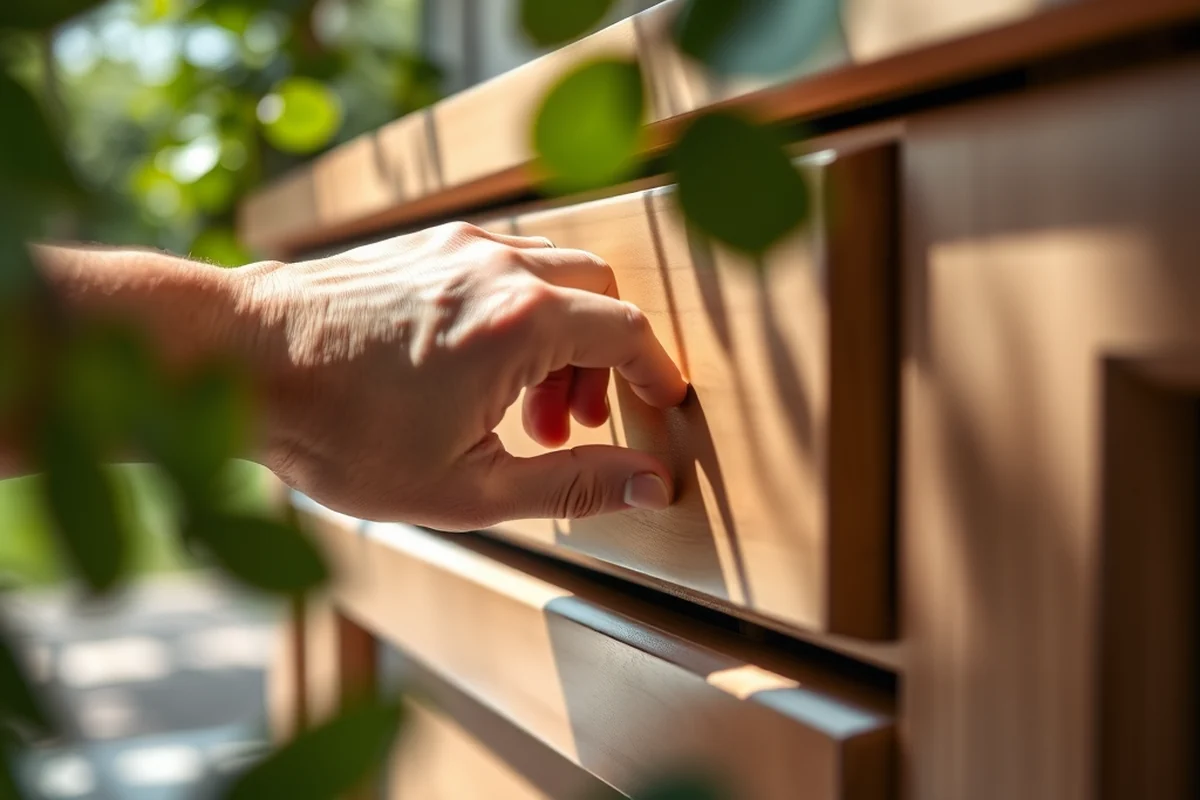
If you're working with a small kitchen, light, neutral colors can make the space feel more open and airy. I found that a soft gray-blue made my kitchen feel immediately more expansive, even though the layout hadn't changed.
For a more dramatic effect, bold colors like navy or deep green can add personality and depth. However, I caution against using these in poorly lit rooms, as they can become overwhelming.
Take into account the existing colors in your home. I once painted my cabinets a deep red, only to realize it clashed with the rest of my decor. I ended up switching to a muted terracotta, which worked much better and gave the space a warm, inviting feel.
Color is the first thing you see, and the last thing you remember.
Related: Cabinet refinishing style ideas
The Importance of Lighting in Cabinet Refinishing
I was surprised to see how the color of my cabinets changed depending on the time of day. A soft white paint looked warm and inviting in the morning light but appeared almost sterile in the harsh afternoon sun.
Artificial lighting, especially under-cabinet lighting, can dramatically alter the perception of color. I installed LED strips under my cabinets and noticed that a deep teal looked much richer than it did under overhead lighting.
To ensure you're happy with your color choice, test it in your space at different times of day and under different lighting conditions before committing to it.
Check how the color looks in your kitchen at different times of day and under your current lighting setup. This will help you avoid surprises later on.
“I still remember the day I stood in my kitchen, staring at the chipped, outdated cabinets that had been part of my home for over…”— Satincabinet editors
Related: Cabinet refinishing color checklist
The Best Paint Finishes for Cabinet Refinishing
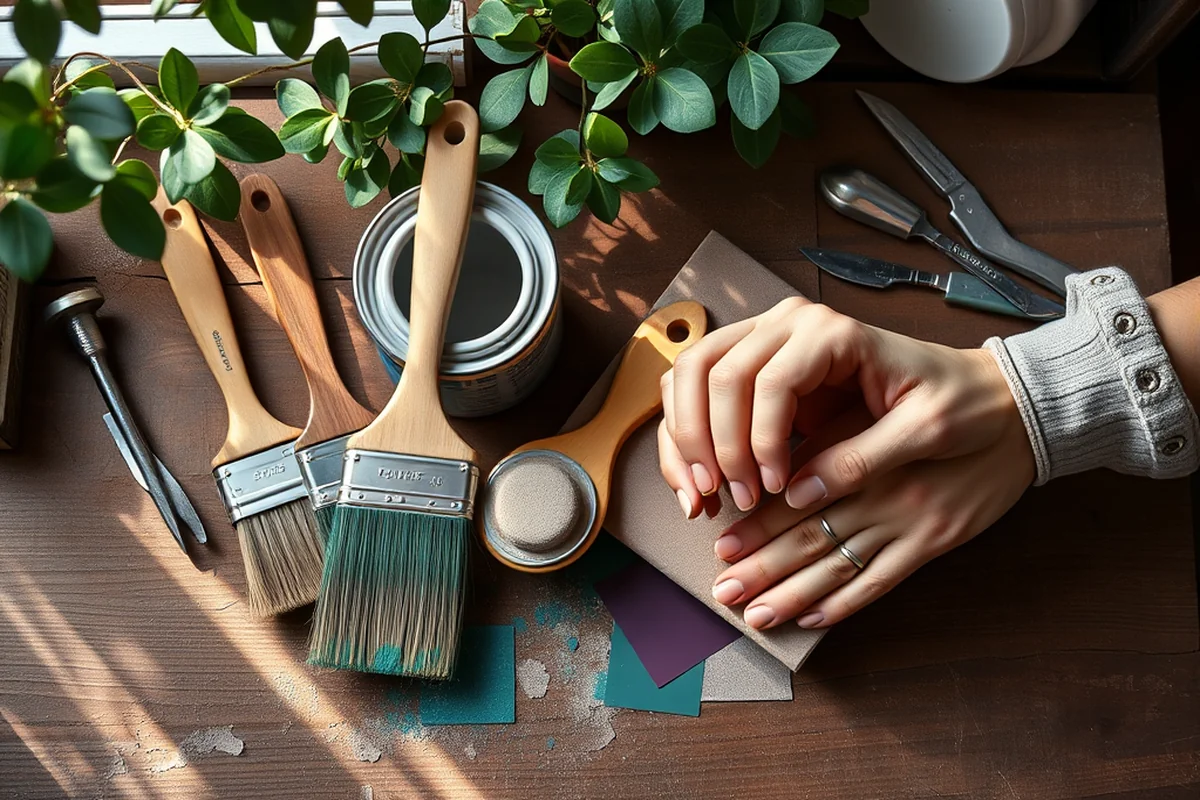
I found that a semi-gloss finish works best for cabinet refinishing because it's durable and easy to clean. It also reflects light well, making the cabinets look brighter and more polished.
Matte finishes are a popular choice for those who want a more modern, minimalist look. However, I found that they are more prone to showing fingerprints and scratches, which can be a downside in a busy kitchen.
I tested a satin finish on a few cabinets and found it to be a good middle ground—it's more resistant to scratches than matte but less reflective than semi-gloss. It's a great option if you're looking for something in between.
Related: Cabinet refinishing color style ideas checklist
How to Prepare Your Cabinets for Refinishing
I spent more time than I expected on the prep work, but it was worth it. The key steps include sanding, cleaning, and priming the cabinets to ensure the paint adheres properly.
I used a degreaser to clean my cabinets before painting, and it made a huge difference. The paint stuck better and looked more even after I was done.
Sanding is another step I can't stress enough. I used 220-grit sandpaper and took my time to get a smooth surface. It took about 30 minutes, but it was essential for the final result.[1]
💰 Budget Build
A low-cost approach using affordable paints and minimal tools to achieve a fresh look.
⏰ Weekend Version
A quick, efficient method to complete your cabinet refinishing project in one day.
✨ Upgraded Finish
A more premium finish using high-quality paint and advanced techniques for a professional look.
🏠 Small-Space Adaptation
Tailored tips for refinishing cabinets in compact kitchens with limited space and tools.
🔒 Rental-Safe Option
A non-damaging method that’s ideal for renters who want to refresh their cabinets without permanent changes.
| The mistake | Why it happens | The fix |
|---|---|---|
| Not sanding the cabinets properly | If you skip or rush the sanding step, the paint may not adhere properly, leading to peeling or uneven coverage. | Take your time with the sanding process. Use 220-grit sandpaper and wipe down the cabinets with a damp cloth afterward. |
| Using the wrong type of paint | Using wall paint instead of cabinet paint can lead to chipping, peeling, and a lack of durability. | Always use paint specifically formulated for cabinets. Look for options with high durability and moisture resistance. |
| Skipping the primer step | Primer helps the paint adhere better and provides a more even finish. Skipping it can result in uneven color and poor durability. | Apply a primer before painting your cabinets, especially if they’re a dark color or have a glossy finish. |
Related: Affordable cabinet refinishing color
Cabinet Refinishing Color Guide
Related: Cabinet refinishing color style ideas examples
The Role of Color in Cabinet Refinishing for Different Room Functions
Color can transform the mood and functionality of a room when refinishing cabinets. In kitchens, light, neutral tones enhance brightness and make spaces feel larger, while in bathrooms, bold or dark colors can create a dramatic, spa-like atmosphere.
In living rooms and family rooms, where cabinets might be part of built-ins or entertainment centers, the color choice is more about blending with the room's overall palette. I found that a muted terracotta on an entertainment unit added depth and character without overwhelming the space. It also worked well with neutral upholstery and modern decor, giving the room a warm, lived-in feel. I used a flat paint for this project, but I later realized that a slight eggshell sheen would have been easier to maintain in a room with frequent use.
In home offices or libraries, darker, richer colors such as deep browns or dark greens can create a sense of focus and sophistication. I tried a dark forest green on a bookshelf cabinet, and it immediately gave the room a classic, academic vibe. However, it was important to ensure that the lighting was adequate, as the dark color made the room feel smaller if there wasn't enough natural or artificial light. I also used a high-quality matte paint to avoid glare on the wood grain, which was crucial for a room where people spend a lot of time reading or working.
When refinishing cabinets in smaller rooms, light, reflective colors are almost always the best bet. I painted a small powder room with a very light gray, and it made the space feel more open and less cramped. The paint had a slight sheen, which helped bounce light around the small area, and I found that it was much easier to clean than a flat paint, which would have been more prone to showing dirt and water spots.
Exploring the Impact of Color Trends and Timelessness in Cabinet Refinishing
Staying on trend with cabinet colors can be exciting, but it's important to balance current fads with enduring styles.
Another consideration is the resale value of your home. While bold or trendy colors can be a fun way to express your personal style, they may not be as appealing to potential buyers. I painted my hallway cabinets in a bright turquoise, and while I loved it, it was a challenge when trying to sell the home. Potential buyers were hesitant, and I had to repaint the cabinets before the sale. This taught me that neutral tones are generally a safer bet if you’re planning to move in the near future.
However, if you're not concerned about resale and want to make a bold statement, a well-executed color can add a lot of character and value to your home. I painted my home office cabinets in a rich mahogany brown, and it created a warm, elegant space that I absolutely love. The cabinets still look great and are now a defining feature of the room. I used a high-quality, durable paint that has held up well, and I’ve had no issues with chipping or fading. This shows that if you choose a color that complements the room and use the right materials, even bold choices can be a long-term success.
Ultimately, the key to choosing the right color for your cabinets is to consider both personal style and practicality. I've found that testing colors on a small area first, such as a cabinet door or a drawer, is a great way to see how they look in different lighting and how they hold up with daily use. It's also helpful to consult with a professional painter or interior designer if you're unsure about the best color for your space. By taking the time to make an informed decision, you can ensure that your cabinet refinishing project looks great for years to come.
Common Questions
How long does cabinet refinishing typically take?
Can I use the same paint I use for walls on my cabinets?
What should I do if my paint is peeling after a few weeks?
How do I choose the right color for my cabinets?
References
- Painter (4001) - Oregon.gov (apps.oregon.gov)
- SECTION 09 91 00 - Office of Construction and Facilities Management (cfm.va.gov)
- Thomas Day: Master Craftsman and Free Man of Color (americanart.si.edu)
Cite this guide
Satincabinet (2026). Cabinet Refinishing Color Guide. https://satincabinet.com/cabinet-refinishing-color-guide/
Feel free to cite or share this guide.