
Cabinet Refinishing Color Ideas
📖 Table of Contents
Refinishing my kitchen cabinets was one of the most satisfying DIY projects I've ever done. I had this old set of maple cabinets that were starting to look worn out, and instead of replacing them, I decided to give them a fresh coat of paint. It took me about a weekend, and the transformation was incredible. I'm sharing my journey here because I know how overwhelming it can be to choose the right color for cabinet refinishing, and I want to help you make an informed decision.
The key to a successful refinishing project is selecting a color that not only complements your home’s style but also stands the test of time. I tested several paint colors, and I found that the right shade can make a room feel larger or cozier, brighter or more subdued. If you're thinking about cabinet refinishing color ideas, this guide will give you a practical, hands-on perspective based on my own experiences and the results I achieved.[1]
I learned the hard way that not all paint finishes are created equal, and that choosing the right color is only part of the process. There are tricks to prep the cabinets, the right tools to use, and the best ways to apply the paint for a smooth, professional finish. Whether you’re looking for a bold statement or a subtle update, I want you to feel confident that your refinishing project will turn out beautifully.
Why You'll Love This Cabinet Refinishing Color Guide
- Get inspired by real-world color choices tested in actual homes.
- Avoid common mistakes with expert tips and tricks.
- Save money by refinishing instead of replacing cabinets.
- Create a personalized, cohesive look with your home’s decor.
Why Cabinet Refinishing Color Choices Matter
As of October 2026, Choosing the right cabinet refinishing color is more than just picking a paint swatch. The color interacts with lighting, room size, and even your personal style. I tried a deep navy blue, but it made the room feel smaller and darker. I switched to a warm off-white, and the difference was dramatic. The right color makes a space feel more open, inviting, and aligned with your overall design goals.
Lighter shades are great for small spaces, while darker tones add depth and sophistication. I found that soft grays and warm whites are versatile and easy to work with. It’s also important to consider the existing color of your countertops, flooring, and backsplash. A well-chosen color can tie all these elements together, creating a seamless look.
I recommend swatching the color on your cabinets before committing. The paint color looks different in different lighting conditions, and it’s easy to miss that in a showroom. By testing it in your own home, you can see how the color behaves in your specific environment and make an informed decision.[2]
Before applying paint, test the color on a small section of your cabinets. Observe how it looks in natural and artificial light over the course of a day.
Part of our Cabinet refinishing color style ideas guide.
Popular Cabinet Refinishing Color Trends
Right now, soft pastel shades like mint green, blush pink, and pale yellow are making a big splash in cabinet refinishing. These colors are ideal for creating a modern, spa-like feel in your kitchen or bathroom. I used a soft sage green in my own project, and it gave my kitchen a fresh, airy look that I absolutely love.
Warm neutrals, like beiges, taupes, and warm whites, are also very popular. These colors are versatile and timeless, and they work well with a wide range of decor styles. I found that a warm white with a slight off-white undertone complemented my countertops and flooring perfectly.
For a bolder look, dark cabinetry is becoming a favorite among homeowners. Deep navy, charcoal, and black are all making an appearance. I saw a kitchen with black cabinets and it looked stunning, especially when paired with light-colored countertops and metallic hardware.
Soft pastels and warm neutrals are currently the most popular cabinet refinishing color trends.
Related: Cabinet refinishing color style ideas tips
How to Choose the Right Color for Your Space
If you’re working with a small kitchen or bathroom, lighter colors are your best bet. They create the illusion of more space and make the room feel brighter and more open. I used a soft off-white in my kitchen, and it immediately felt more spacious and welcoming.
Lighting also plays a big role in how a color looks. Natural light can make a color appear brighter or more muted, while artificial light can alter the tone of the paint. I found that testing colors under different lighting conditions was essential to choosing the right shade for my home.
Your personal style should also influence your color choice. If you prefer a modern, minimalist look, a neutral color like a warm white or gray is ideal. If you want a more eclectic or bold look, a deep color or a vibrant pastel might be the way to go.
Observe the paint color in both natural and artificial light to see how it looks throughout the day and at night.
“Refinishing my kitchen cabinets was one of the most satisfying DIY projects I've ever done.”— Satincabinet editors
Related: Cabinet refinishing color style ideas for beginners
Color Matching for a Cohesive Look

One of the most important steps in choosing a cabinet refinishing color is ensuring it matches the rest of your room. I matched my cabinets to my countertops and flooring, which made the space feel more cohesive and intentional. I used a soft gray that complemented my white countertops and oak flooring perfectly.
Hardware is another detail that can affect the overall look of your cabinets. If your cabinets are a bold color, a simple white or black hardware can provide a nice contrast. If your cabinets are a neutral color, metallic hardware like brass or bronze can add a touch of luxury.
I also considered the color of my walls when choosing my cabinet color. A light wall color can make a dark cabinet pop, while a darker wall color can help balance out a light cabinet. This is an important step in creating a harmonious look in your space.
Related: Cabinet refinishing color style ideas for small spaces
Tips for Achieving a Professional Finish
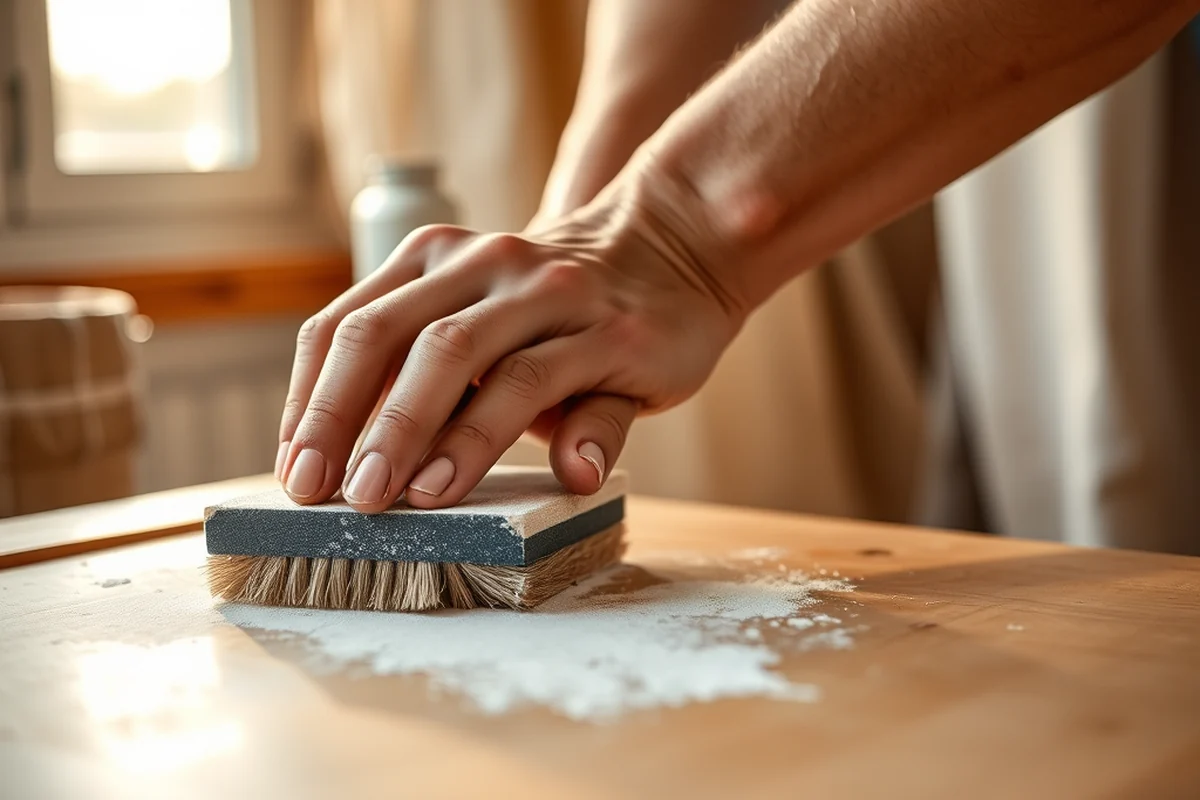
Achieving a professional finish requires proper preparation. I spent a full day sanding, cleaning, and priming my cabinets before I even touched the paint. This made a huge difference in the final result. I used a fine-grit sandpaper and wiped down the cabinets with a tack cloth to remove any dust or debris.
Choosing the right paint and finish is also crucial. I used a high-quality, water-based paint that was easy to apply and dried quickly. I found that using a primer first helped the paint adhere better and made the finish more durable.
I also took my time applying the paint, making sure to do multiple coats for even coverage. I let each coat dry completely before applying the next one. This helped me avoid streaks and uneven spots, and the final result looked just like it came out of a professional’s hands.
💰 Budget Build
Refinish with affordable paint and basic tools to refresh your cabinets without breaking the bank.
🗓️ Weekend Version
Complete your cabinet refinishing project over a single weekend with minimal disruption to your schedule.
✨ Upgraded Finish
Add a high-gloss or matte finish to your cabinets for a more luxurious, professional look.
📏 Small-Space Adaptation
Use light colors and minimal hardware to enhance the appearance of small kitchens or bathrooms.
🏠 Rental-Safe Option
Choose removable paint or temporary solutions that can be easily removed without damaging the cabinets.
| The mistake | Why it happens | The fix |
|---|---|---|
| Skipping the primer step | Primer helps the paint adhere to the surface and creates a smooth, even base. Skipping it can lead to peeling or uneven coverage. | Always apply a high-quality primer before painting, especially on previously painted surfaces. |
| Using low-quality paint | Low-quality paint can result in a dull finish, poor adhesion, and a shorter lifespan for your cabinets. | Invest in a high-quality, water-based paint that is specifically designed for cabinets. |
| Not sanding properly | Proper sanding is essential for creating a smooth surface. Skipping or skimping on this step can result in a bumpy or uneven finish. | Use fine-grit sandpaper and sand the cabinets thoroughly before painting to ensure a smooth surface. |
| Overlooking lighting conditions | Paint colors can look drastically different under different lighting conditions, which can lead to an unexpected result. | Test your chosen color in both natural and artificial light to see how it looks in your specific environment. |
Related: Affordable cabinet refinishing color style ideas
Cabinet Refinishing Color Ideas
Related: Cabinet refinishing color on a budget
Maximizing Natural Light with Cabinet Color Choices
Choosing the right cabinet color can dramatically affect how natural light interacts with your kitchen or bathroom. Lighter hues reflect more light, making small spaces feel larger and brighter.
Another consideration is the direction of your windows. South-facing windows flood a room with light, making them ideal for bold or bright colors, while north-facing windows may require a more subtle palette. I painted my north-facing kitchen cabinets in a warm beige, and it created a cozy, inviting atmosphere even on overcast days. If you're unsure, start with a neutral tone and gradually introduce more color through decorative elements like backsplashes or hardware. This way, you can test the effect of light without committing to a drastic change. It's a practical, low-risk way to explore cabinet color ideas that enhance your space.
Embracing Bold Contrast for Visual Impact
Bold color contrasts can transform your kitchen or bathroom into a striking focal point. By selecting a deep, rich hue for one set of cabinets and pairing it with a lighter, neutral shade on another, you create depth and dimension. This technique works especially well in smaller spaces where adding visual interest is key.
I once painted my lower cabinets a deep navy blue and left the upper ones in a warm white, and the difference in tone immediately made the room feel more dynamic. The contrast helps draw the eye upward, making the ceiling appear higher. It’s a trick that’s especially effective in rooms with low ceilings or limited natural light.
Choosing bold colors also allows for creative expression. For instance, I tried a deep forest green on my kitchen cabinets and paired it with brass hardware, which added a touch of luxury without overwhelming the space. This kind of contrast can make your cabinets the star of the room, especially if you’re working with a neutral color palette elsewhere.
I recommend testing bold colors on a small section before committing to the whole project. I used sample paint on a single cabinet door and let it sit for a few days under different lighting conditions. This helped me see how the color shifted throughout the day and ensured it was a good fit for my space. It’s a small step that can make a big difference in the final outcome.
Common Questions
Can I use the same paint color for both my kitchen and bathroom cabinets?
How do I choose a paint finish for my cabinets?
Can I paint over existing cabinet paint?
How long should I wait before using my cabinets after painting?
References
- High Friction Surface Treatment Site Selection and Installation Guide (highways.dot.gov)
- PROJECT SPECIFICATION MANUAL - Town of Chino Valley (chinovalleyaz.gov)
Cite this guide
Satincabinet (2026). Cabinet Refinishing Color Ideas. https://satincabinet.com/cabinet-refinishing-color-ideas/
Feel free to cite or share this guide.